When I first arrived in Italy, I thought I understood what it meant to “slow down.” Coming from a fast-paced American lifestyle — especially growing up in Texas, where everything is big, loud, and often urgent — I thought a slower lifestyle meant more naps, longer meals, and maybe a few more walks. But living here, especially in Turin, has taught me that the Italian concept of time isn’t just slower — it’s different. It asks something more of you: to be present, to be aware, and to be okay with letting the day unfold on its own terms.
At first, it was frustrating. Stores closing in the middle of the afternoon felt like an inconvenience, not a cultural rhythm. I’d be ready to run errands or grab lunch, and suddenly the city would go quiet. The streets would clear, shutters would drop, and I’d be standing there wondering what I was missing. But over time, I began to see that the midday pause — the so-called “siesta,” though it’s less about sleeping and more about resetting — isn’t just a break. It’s a form of self-respect. It’s a collective agreement to breathe.
Coming from a culture that values constant motion, productivity, and filling every second with something “useful,” this shift challenged me. In the U.S., free time is often something to be earned. In Italy, it’s a right. It’s part of the fabric of life. Time is seen not as a resource to maximize, but as a space to live inside of. Meals are longer. Conversations are deeper. And even walking somewhere feels less about getting there quickly and more about noticing what you pass along the way.
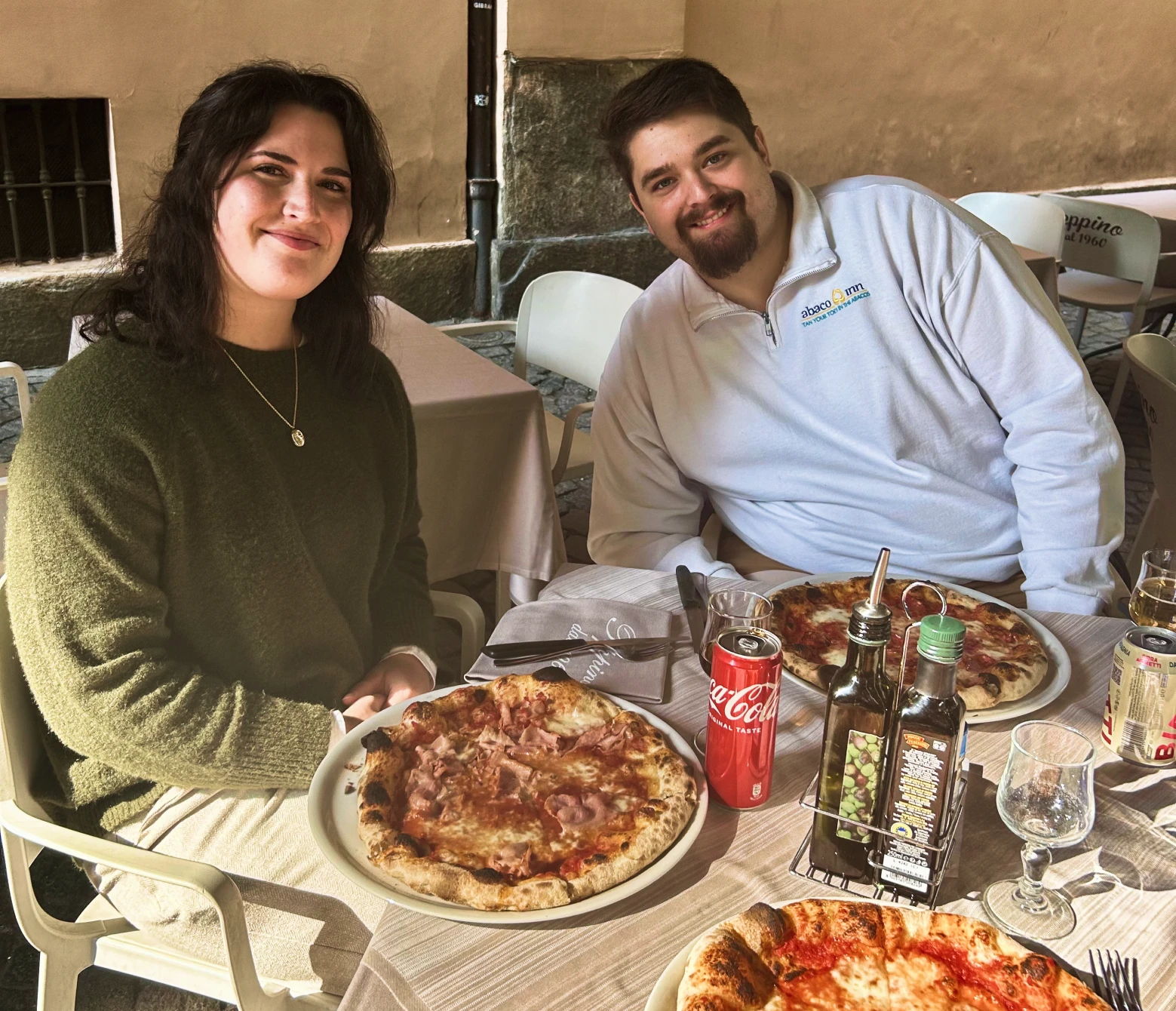
Turin, in particular, lives in that balance between movement and stillness. It’s not as fast as Milan, not as slow as a southern village, but it holds a unique rhythm — one that has taught me how to listen differently to the day. Morning coffee isn't a to-go cup chugged in the car. It’s a pause at a bar, standing at the counter, maybe talking to someone next to you. The ritual matters. And honestly, I’ve come to love it.
But slowing down isn’t just about moving physically slower. It’s about reimagining your needs and how you meet them. In the U.S., everything is built around convenience and speed — Uber, fast food, Amazon Prime, 24/7 access. But here, the infrastructure isn’t designed for that kind of immediacy. Trains may be delayed. Buses might not come. Restaurants don’t always post their hours. And dinner? It’s later. Much later.
It took a while to adjust — to figure out that eating dinner at 9 p.m. wasn’t weird, that going to a grocery store at 2 p.m. might mean it’s closed, and that a Saturday might not be the best time to try to “get stuff done.” I also had to unlearn the idea that everything needed to be figured out in advance. In Italy, plans are flexible. People are late. Life happens. And that unpredictability, while hard at first, actually makes room for spontaneity — for joy.
There’s a deeper philosophy here, too: a cultural focus not just on efficiency, but on happiness. On community. On beauty. That means things like fashion, food, art, and relationships aren’t extra — they’re essential. How you present yourself matters. How you talk to people, how you show up — it all plays into a shared sense of value and respect.
And that need for connection is real. When I first moved here, it wasn’t easy figuring out how to build a new social life. Where do you meet people? How do you blend into a culture that’s been around for centuries, when you just arrived? It’s not always obvious. But I found my way — through programs like Italianforawhile, through weekend trips and spontaneous museum visits, and through technology. Apps like Timeleft helped me meet people who were also looking for connection, who were curious about culture, language, and shared experiences. And from those moments — even awkward ones — new friendships formed.
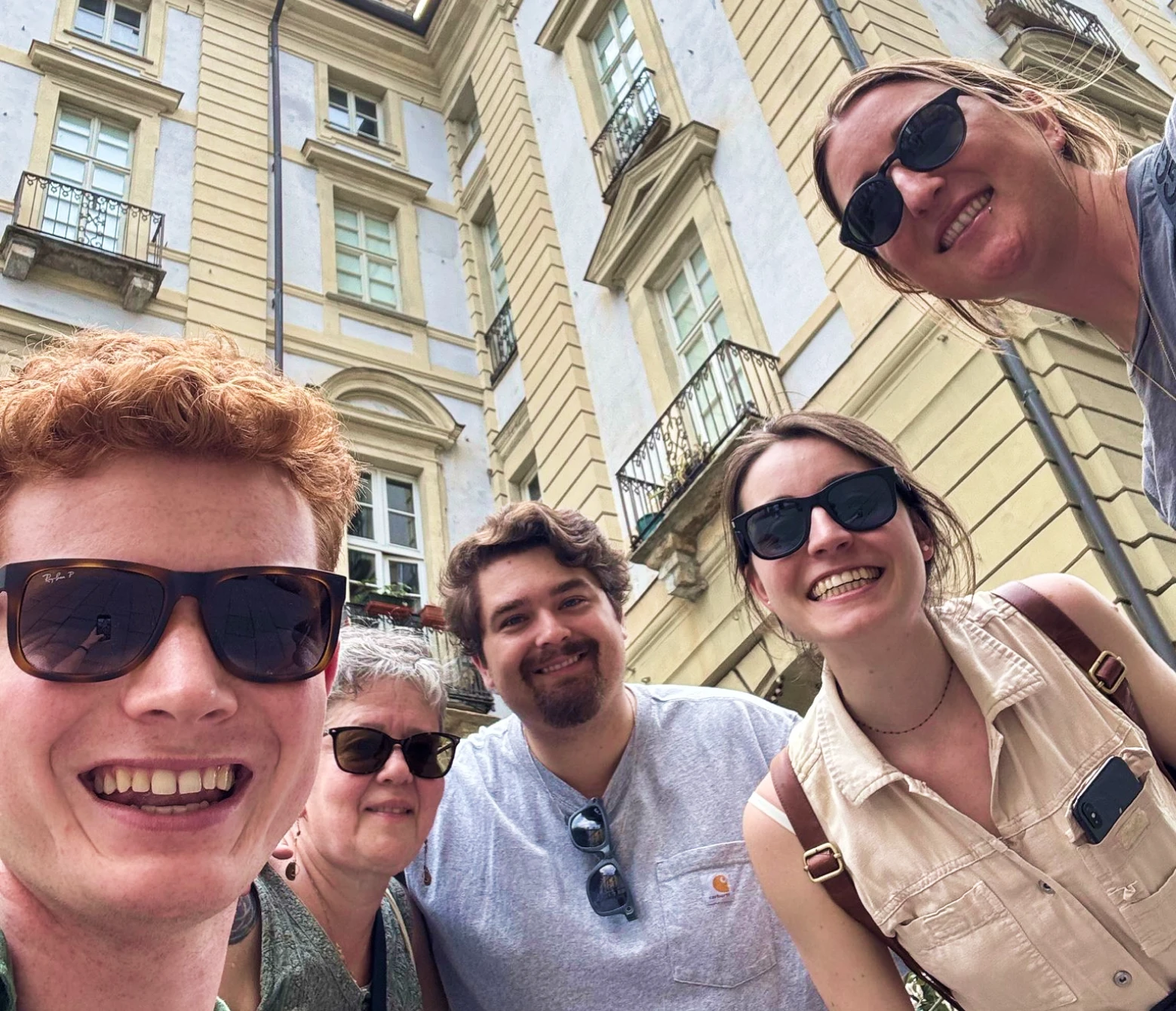
What’s interesting is that now I don’t feel like I’ve left behind my American identity. Instead, I feel like I’ve layered it with something new. I still bring my directness, my energy, my sense of openness — but I’ve learned to also bring patience, awareness, and a new kind of presence. I don’t rush through meals anymore. I dress better. I let plans unfold. I care more about where I am than where I’m going next.
Of course, there are still challenges. Figuring out public transportation schedules. Understanding bureaucratic paperwork. Dealing with shops that don’t take cards. Realizing that even though Italy is a major tourist destination, living here is very different from vacationing here. But that’s also what makes it real. I’ve come to appreciate Italy not just as a place to visit, but as a place to live — to celebrate life, to feel history around you, to grow in unexpected ways.
And maybe that’s what this whole experience has been about: learning a new relationship with time, with myself, and with the world around me. Slowing down not to do less, but to feel more. To blend what I knew with what I’m learning. To live, really live, in the in-between.
Our programs will help you create your own unforgettable Italian story!

.webp)

.webp)
.webp)
What is Italianforawhile?


Enrollment and admissions


