Europe has long been a dream destination for travelers seeking culture, history, and adventure. From the streets of Paris to the ruins of Rome and the coastlines of Greece, the Schengen Area offers indeed a diverse and enriching experience. However, with millions of visitors arriving each year, European authorities have been working to enhance security measures while ensuring smooth and efficient travel.
To address these concerns, the European Union has introduced the ETIAS (European Travel Information and Authorization System), a new travel authorization requirement designed to pre-screen travelers before they enter the Schengen Area. And while ETIAS is not a visa, it functions similarly to other electronic travel authorization systems, such as the U.S. ESTA, by conducting background checks on travelers before they arrive. The primary goal? To strengthen security, identify potential risks, and protect both residents and tourists alike.
So, what does this mean for you as a traveler? If you’re planning a trip to Italy or any other Schengen country, you’ll need to understand how ETIAS works, who needs it, and how to apply. This guide will walk you through everything you need to know, ensuring you can navigate the process with ease and focus on enjoying your adventure!
ETIAS, short for European Travel Information and Authorization System, is a new electronic travel authorization system introduced by the European Union. Its purpose is to enhance security and streamline entry procedures for travelers from visa-exempt countries before they arrive in Europe. Think of it as a digital travel authorization rather than a visa. The system is indeed designed to pre-screen travelers by cross-checking their information against various security databases. This helps European authorities identify any potential security, migration, or health risks before someone even boards a flight, reducing delays and risks at border checkpoints.
If you come from a country that currently enjoys visa-free travel to the Schengen Area, you will soon need to apply for ETIAS before you travel. Once approved, ETIAS will be electronically linked to your passport and will be valid for up to three years or until your passport expires, whichever comes first. This means you won’t need to apply for ETIAS every time you travel to Europe: as long as your authorization is valid, you can visit multiple times without reapplying!
It’s important to note, however, that ETIAS does not guarantee entry into Europe. When you arrive at your destination, border officials will still check your passport and any other required travel documents to confirm that you meet the entry requirements. If there are concerns regarding your travel history, security risks, or missing documents, you may still be denied entry, even with an approved ETIAS.

One of the most common misconceptions about ETIAS is that it functions as a visa. While both systems serve as entry requirements for foreign travelers, ETIAS and a traditional Schengen visa are fundamentally different in purpose, application process, and restrictions. Understanding these distinctions is essential for anyone planning a trip to Europe, as the requirements and procedures vary significantly depending on whether you need an ETIAS or a visa!
ETIAS applications are completed entirely online and take only a few minutes. There’s no need to visit a consulate, submit extensive paperwork, or attend an in-person interview. In contrast, Schengen visas require an in-person application at an embassy or consulate, along with supporting documents like flight itineraries, accommodation bookings, and proof of financial means.
Most ETIAS applications are processed within minutes, while some may take up to 30 days if additional screening is required. Schengen visa applications, on the other hand, can take weeks or even months to be processed, depending on the applicant’s nationality and the embassy's workload.
ETIAS is relatively inexpensive, with a fee of €7 per application, and it’s free for travelers under 18 or over 70. Schengen visas, however, come with significantly higher costs, often exceeding €80, with additional fees for visa processing centers.
A valid ETIAS authorization allows multiple short-term stays of up to 90 days within any 180-day period across all Schengen countries. In contrast, Schengen visas have different validity periods based on the type issued (single-entry, multiple-entry, etc.), and some visas allow longer stays for work or study.
ETIAS does not require biometric data (such as fingerprints) or supporting documents like bank statements or travel itineraries. Schengen visa applicants, however, must provide biometric data and often extensive paperwork to prove their purpose of visit.
ETIAS is expected to have a low rejection rate (below 3%), as it mainly screens for security threats and immigration risks. Schengen visas, on the other hand, have a much higher rejection rate (around 18% in 2022) due to stricter requirements and the need for applicants to prove their financial stability and ties to their home country.
In summary, ETIAS is a fast, affordable, and simple pre-travel authorization that ensures safer and more efficient entry into Europe for short-term travelers. While it may feel similar to a visa, it does not function as one; there’s no embassy visit, no long processing times, and no excessive documentation required. Instead, it serves as an added layer of security that helps European authorities screen travelers before they arrive. For tourists, students, and business travelers planning a short visit to Europe, ETIAS makes travel far more convenient than the traditional visa process!
If you are a visa-exempt traveler planning to visit Europe, you will need to apply for ETIAS before your trip if your destination includes any of the following 30 European countries:
Austria, Belgium, Bulgaria, Croatia, Cyprus, Czech Republic, Denmark, Estonia, Finland, France, Germany, Greece, Hungary, Iceland, Italy, Latvia, Liechtenstein, Lithuania, Luxembourg, Malta, Netherlands, Norway, Poland, Portugal, Romania, Slovakia, Slovenia, Spain, Sweden, or Switzerland.
As we said, ETIAS is required for nationals of countries that are currently exempt from visa requirements when traveling to the Schengen Area. Citizens from these countries can indeed visit European countries listed above without needing a visa for short-term stays, but starting from late 2026, they will be required to obtain ETIAS.
If you are a national of any of the following countries, you must apply for ETIAS before traveling to any of the 30 European countries listed above:
Albania, Antigua and Barbuda, Argentina, Australia, Bahamas, Barbados, Bosnia and Herzegovina, Brazil, Brunei, Canada, Chile, Colombia, Costa Rica, Dominica, El Salvador, Georgia, Grenada, Guatemala, Honduras, Hong Kong, Israel, Japan, Kiribati, Kosovo, Macao, Malaysia, Marshall Islands, Mauritius, Mexico, Micronesia, Moldova, Montenegro, New Zealand, Nicaragua, North Macedonia, Palau, Panama, Paraguay, Peru, Saint Kitts and Nevis, Saint Lucia, Saint Vincent and the Grenadines, Samoa, Serbia, Seychelles, Singapore, Solomon Islands, South Korea, Taiwan, Timor-Leste, Tonga, Trinidad and Tobago, Tuvalu, Ukraine, United Arab Emirates, United Kingdom, United States of America, Uruguay, or Venezuela.
So, if you come from any of these countries you will need ETIAS to visit Europe for short stays (up to 90 days within a 180-day period) for purposes such as tourism, business, or family visits.
While ETIAS is a requirement for many travelers, there are several categories of people who are exempt from applying. Here’s a breakdown of those who are not required to apply for ETIAS!
As of now, UK nationals will need ETIAS for short-term stays (up to 90 days within a 180-day period) in the Schengen Area and other European countries requiring ETIAS. However, as we said before, UK nationals who are beneficiaries of the Withdrawal Agreement will be exempt from ETIAS. They can continue to travel freely within the EU as long as they hold the proper documentation proving their status.
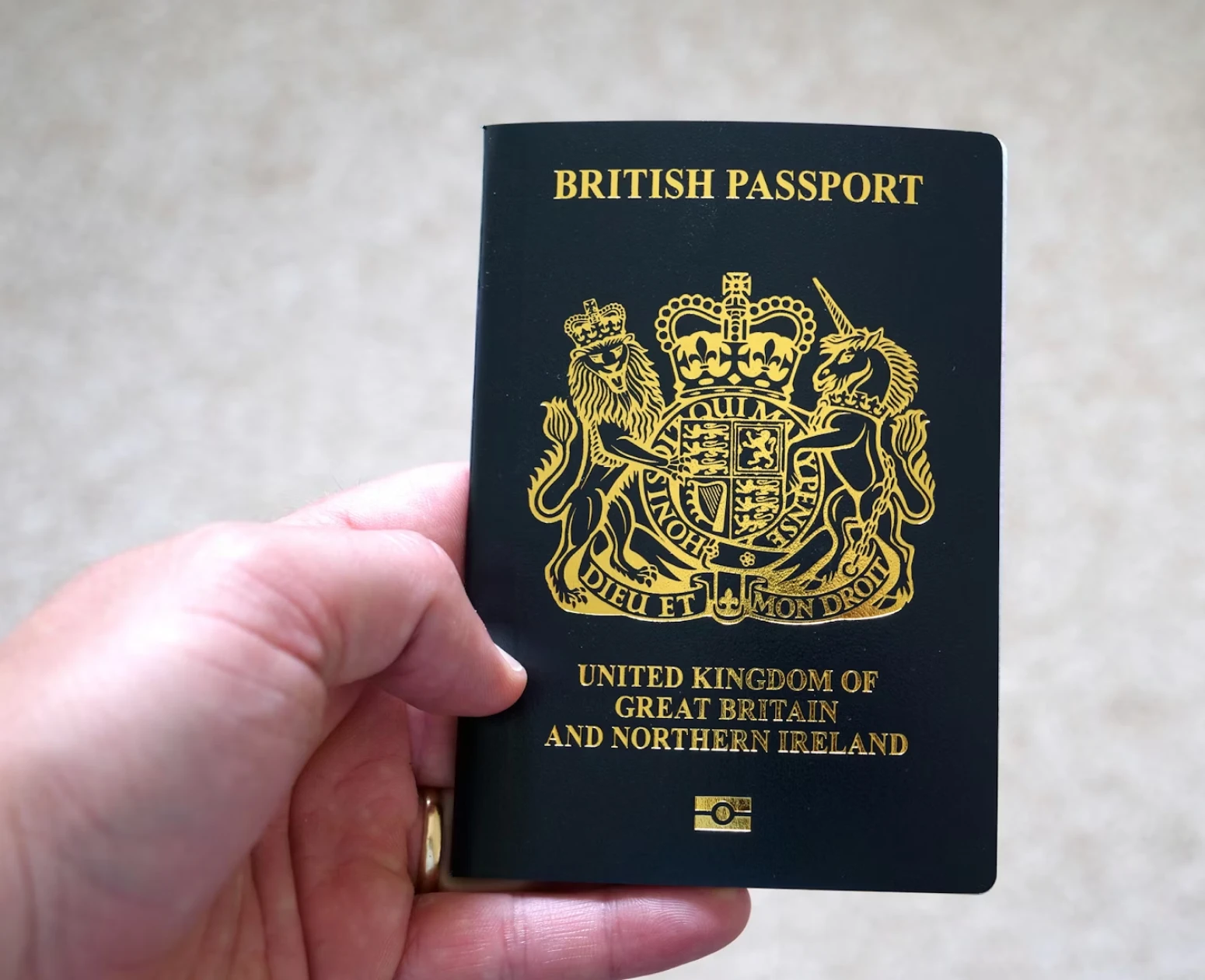
Applying for ETIAS is a relatively simple and straightforward process that can be done entirely online. Below, we’ve outlined the necessary actions and provided additional information to ensure a smooth application process.
Before starting the application process, it’s essential to make sure you meet the following key criteria. Meeting these requirements ensures your application will be processed smoothly and without unnecessary delays!
The application process for ETIAS is simple and entirely online. There’s no need for in-person visits or paper submissions. Below, we break down the application process into detailed steps to ensure you don’t miss anything.
The first step is to visit the official ETIAS website as it is the only authorized portal for submitting your ETIAS application. Once you’ve accessed the website, you will find all the necessary instructions and links to start your application. There are clear prompts to guide you through the entire process, so be sure to read them carefully.
Once you’re on the official portal, you will need to fill out the application form. The form will request the following information.
Filling out the form will take about 10-15 minutes, especially if you have all your personal and travel details ready.
Once you have completed the application form, you will need to pay the €7 processing fee. This fee is applicable to travelers between the ages of 18 and 70. If you are under 18 or over 70, the fee is waived. The payment is made through a secure online payment system and can be done using:
Once you’ve filled out the form and completed the payment, you can submit your application. Most ETIAS applications are approved within minutes, but some may require additional time, especially if security checks are needed.
In rare cases, the process may take up to 30 days, so it is highly recommended that you apply at least a month before your intended trip. Once processed, you will receive an email confirming whether your ETIAS application has been approved or if further action is required.
Once your ETIAS application is approved, the authorization will be electronically linked to your passport. This means there is no need to print a physical document, though it’s still a good idea to keep a copy of the approval email for reference.
When you arrive at the border of any Schengen Area country, border officials will check your passport, and they will automatically verify your ETIAS status. The process is typically quick, but remember that the final decision to admit you into the country is always at the discretion of the border control officers!
In the rare event that your ETIAS application is denied, you don’t need to panic. The rejection will come with a notification that includes the reason(s) for the denial. There will also be instructions on how to proceed if you wish to appeal the decision or take additional steps.
Here’s a breakdown of your options.
The introduction of ETIAS marks a significant evolution in European travel, offering a streamlined and more secure process for millions of travelers. By pre-screening visitors before they even board their flights, Europe is enhancing its security without creating burdensome barriers for tourists, business travelers, or students. The system simplifies the travel experience, offering a convenient solution for short-term stays while ensuring that both travelers and the Schengen Area are better protected.
Though ETIAS will require some adjustment for those who are used to visa-free travel, it is a positive step towards modernizing border security. Travelers must view ETIAS as an opportunity to experience a safer and more efficient Europe, rather than a hurdle. By staying informed and prepared, you can navigate the process with ease, making your European journey smoother and more secure than ever before!
Our programs help you experience Italy with support and real cultural immersion!

.webp)

.webp)
.webp)
What is Italianforawhile?


Enrollment and admissions


