Studying abroad in Italy is one of those things that, more often than not, starts as a daydream, a vague idea. You know you want to go somewhere else, you’ve seen friends do it, you’ve seen it online, and at some point the question shifts: “Wouldn’t that be cool?” turns into “How do I actually do this?”
If you’re American and trying to figure out how to study abroad in Italy, the good news is that it’s absolutely doable. The path already exists, thousands of students do it every year. The frustrating one is that the steps to do it are not always clear. And a lot of articles and guides often skip over the parts that actually matter once you really commit.
The first big decision you’ll have to make comes before visas, housing, or even what city you’ll live in. You have to choose how you want to study in Italy. Because there’s more than one path, and the right one depends on how independent you want to be and what kind of academic experience you’re looking for.
For most American students, this means choosing between:
Direct enrollment is exactly what it sounds like. You apply to an Italian university, follow admission procedures, and integrate fully into the Italian academic system. It’s a common choice for students wanting to study a full degree abroad and for students who are very comfortable being independent in another country. However, it also means navigating the complex Italian bureaucracy on your own and adapting to a teaching style that can be very different from what you’re used to.
On the other hand, structured study abroad programs exist for all American (and not) students who are not looking to get an Italian degree but just to spend a part of their academic path in Italy. These programs help align Italian university coursework with American credit systems, provide guidance through the visa process, arrange housing, and offer on-the-ground support once you arrive. That’s why, if your goal is a semester or a full year abroad while also staying on track with your education, this option tends to be the best.
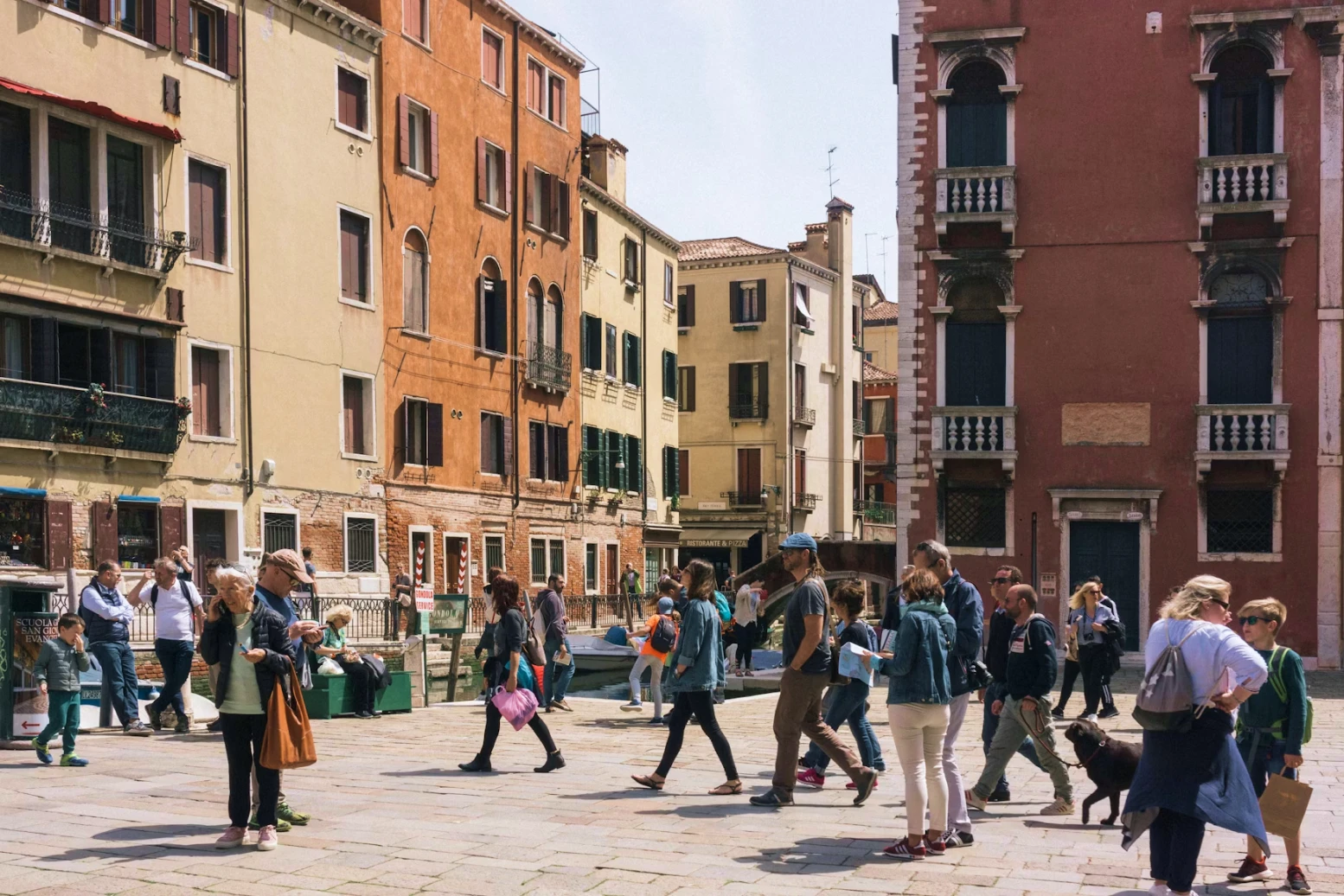
Italy is no single study abroad experience. The city you choose will shape your daily life and experience more than anything else. What often gets overlooked, however, is the huge difference between visiting a place and actually living there.
Studying abroad, indeed, means building a routine. You’ll be commuting to class, shopping for groceries, finding places to study, and overall navigating daily life in a language that’s not your own. And a city that feels exciting for a long weekend, may feel exhausting after a few months of crowds and chaos.
Instead of just choosing a city based on reputation or hype, try to think about its livability. Ask yourself:
You might find that a bigger, chaotic city works just right for you. But more often, smaller or less internationally hyped cities make the transition easier. Even if they don’t trend on Instagram and TikTok feeds.
Once you have settled on how and where you want to study, the next logical step is making sure the academics align with your specific situation.
Italian universities operate differently than American ones. Courses rely on fewer graded components and put heavier emphasis on final exams. Some exams may be oral and feedback is, more often than not, less frequent than you are used to.
Before applying you should understand and confirm this:
Remember: clarity upfront prevents problems later. And it all matters even more if you’re taking courses for your major or need specific requirements to graduate on time. So, don’t just assume things will “work themselves out.”
One of the most common mistakes students make when they choose to study abroad (in Italy as well as any other country) is underestimating how early everything starts.
Applications for fall programs often close in the spring, and spring semester’s ones close in the fall. Housing fills up early. Visa appointments are limited and tied to specific consulates and embassies. Nothing moves fast and everything needs its time.
Keep it in mind. Cause delays in application means the required documents for the visa application will be ready later. And it all ends up in a domino effect that only pushes back appointments and increases stress. All things you could have avoided by planning earlier.
If you are an American staying in Italy for more than 90 days, you will need to apply for a student visa. No exceptions.
The application is submitted through the Italian consulate or embassy that serves your place of residence and procedures can vary a little depending on the city. In general, however, you’ll need:
With limited appointments and slots filling up quickly, the process itself requires a lot of patience and a good attention to details (you don’t want to restart it all for one wrong document!). Treating it casually is probably the fastest way to create unnecessary problems for yourself.
Housing in Italy is very different from campus housing in the US. Apartments are older, layouts vary, expectations are different, and availability depends heavily on the city (in bigger cities options are limited, competitive, and more expensive).
Most students, international and Italian alike, live either in:
Each option comes, of course, with tradeoffs related to independence, privacy, structure, and much more. There’s no right or better choice, it all depends on your preferences and lifestyle. What matters most is just this: that your housing is confirmed before you arrive, both for peace of mind and because it is actually required for your visa paperwork.
By the time you’re done with applications, visas, and housing, the next question becomes much more practical. How are you actually going to live in Italy? Without a clear budget and adjusted expectations life is bound to turn into daily stress!
Make sure to plan your budget around how money is actually spent in Italy (and count a bit more just for the endless aperitivos you’ll end up going to!). Don’t forget that early weeks are usually the most expensive due to deposits, setup costs, and initial transportation. Build a buffer for those weeks instead of just assuming monthly costs will stay the same from day one.
Daily logistics, too, affect your budget more than you think. Italian phone plans are cheaper than American plans and everyday habits like public transportation, groceries, and eating out are generally affordable. But only if you move away from tourist zones and constant convenience.
And, as important as budgeting is, you have to prepare to manage friction. Italy moves slowly and less predictably than you’re likely used to. Offices close midday, processes take time, things must be handled in person and not online. While this doesn’t cost more money, it does cost time and patience. And you’d better plan for it.
Lastly, your lessons might be in English but having a basic knowledge of Italian will definitely reduce stress. Just being able to handle simple interactions can help you avoid misunderstandings and navigate Italian services easier. After all, Italians love someone that tries to speak their language!

Arriving in Italy doesn’t mean you’re done with paperwork. There are actually a couple important steps left to make sure everything is in order.
The main one is the Permesso di Soggiorno (permit of stay). If you come from an extra-EU country and are staying longer than 90 days, which is likely if you’re studying abroad, you need to apply for it within eight days of your arrival. And this involves submitting a series of documents in person at a local office in your city.
This process takes a long time and can be confusing to foreign people. Queuing and waiting for the official document to be issued, too, takes time. It’s all normal, not a sign something is wrong. But the good part is this: once you have the document you’re free to move around in Europe as you prefer. The wait is worth the while, for real.
If you want to make it easier, just try and read about the process before coming. This way you’ll be a bit more prepared about it and you won’t panic. But also remember that there might be some individual differences between cities and offices. It’s just how things are in Italy!
Italian universities don’t operate like American colleges. To have success in your studies, it’s important you learn about the main differences with your own academic system. That’s why, before landing, inquiring about the specifics of the courses with the college or the study abroad organization is a must.
Generally speaking, classes may feel less structured than you’re used to. Offices, too, may close in the middle of the day. And communication might feel more indirect. These differences can be frustrating at first, especially if you fight them, but if you accept them as a way to test yourself they are more manageable than you think.
As for the academic side:
It feels strange, and the adjustment period is real. But almost every student goes through it. You just need some adaptability and self-motivation!
Our programs will help you create your own unforgettable Italian story!

.webp)

.webp)
.webp)
What is Italianforawhile?


Enrollment and admissions


