If you’re thinking about (or even already planning) a study abroad experience in Italy, you surely asked yourself: is Italy expensive?
Not really. But also, sometimes yes.
I know, that sounds like a vague answer, but trust me, it’s just the most honest one. Because Italy isn’t one of those countries where you have a single price level. You can’t just say “Italy is affordable” or “Italy is super expensive.” It depends. It can feel affordable one moment and surprisingly pricey the next. And that depends almost entirely on the decisions you make.
If you’re coming for a few months or a full gap year, the good news is this: most students end up spending somewhere between €1,000 and €1,800 per month (higher if you want your own place and travel a lot, lower if you share housing and keep things simple). And they’re living well while doing it.
Let’s break down where that specific number comes from, and how you can stay on the lower end of it!
This is the part most articles skip or oversimplify. To answer properly, you can’t just treat every region and city the very same. Because they’re not. And the same goes for lifestyles and daily habits.
If you only look at Milan, you might end up thinking that Italy is terribly expensive. But then, you take a look at cities like Salerno or Naples and it suddenly feels much more manageable.
That’s the truth about Italy. Living and studying in different cities can give you completely different financial experiences. The lifestyle is similar, the food is almost the same. But your monthly budget? It can easily shift by hundreds of euros just because of location!
And that’s before we even talk about lifestyle. Because, even within the same city, two people can have completely different budgets.
If you cook most of your meals, grab coffee at the neighborhood bar for €1, occasionally go out with friends, and don’t travel too much, Italy is very manageable. But if you’re eating out every day, spend your time sitting at fancy cafés, and travel around Italy and Europe every weekend, then your budget will stretch very quickly.
Basically, if you treat your stay like you would back home, you’ll live well without spending too much. But if you treat the whole period like a vacation, it’s very easy to overspend!
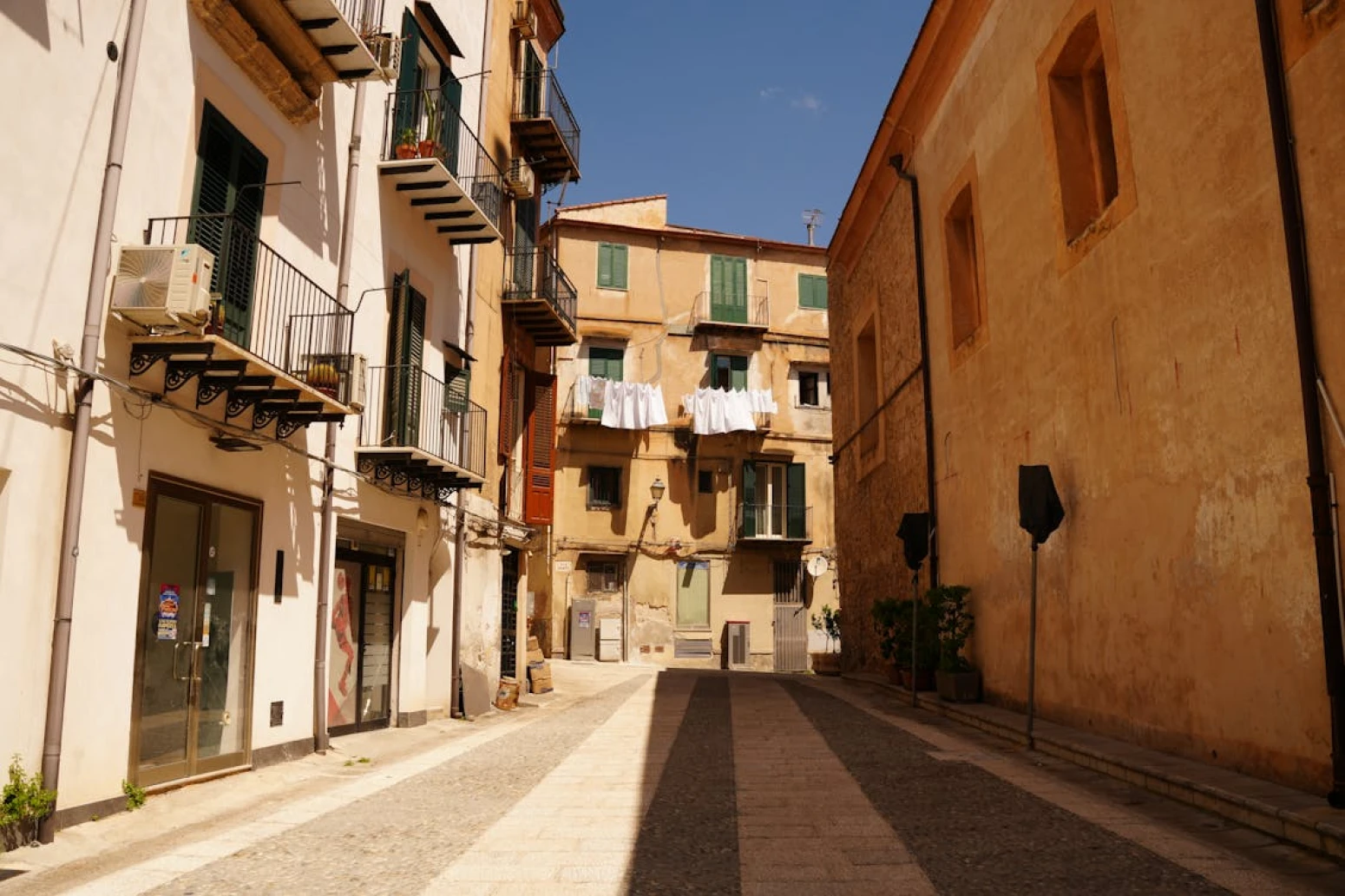
Just to give you a realistic snapshot, here’s how much you could spend monthly.
But, once again, it’s just important to remember that your budget almost entirely depends on how you choose to live daily.
I bet that when you’re asking “Is Italy expensive?” you’re not just asking that. You want to know if Italy is expensive compared to other countries. Maybe your own country, or maybe other countries you’re considering for an experience abroad.
And this is, more often than not, where expectations really shift.
Because yes, Italy has a reputation for being expensive. But that’s mostly because of tourism. Everyday life doesn’t cost like a vacation, and when you compare it to countries like the US or the UK, the picture completely changes.
If you’re coming from the US, Italy will generally feel cheaper. Not in every single category, of course, but in enough areas that your monthly budget ends up noticeably lower.
The biggest differences show up in the very basics.
That said, not everything is cheaper. If you eat out in very central or touristic areas, you’ll find out that prices often match US ones. Also, short-term rentals can be more expensive and imported products might cost more than you expect.
Still, these aren’t the things most students rely on long-term. So, once you settle into a normal routine, Italy really comes out as cheaper. To give you a rough estimate, your monthly costs would likely be 20 to 40% lower than a comparable city in the United States!
Compared to the UK or cities in northern Europe, Italy will usually feel cheaper. But in a more subtle way:
That said, the gap isn’t huge. Some things are definitely more aligned with northern European prices than others, especially in tourist areas. Still, overall, Italy feels lighter on the monthly budget.
When you compare Italy to countries like Spain or Portugal, that’s when things get closer. Italy stops feeling clearly cheaper and starts sitting in the same range. With the usual differences depending on the region and city of course!
Where Italy balances things out, however, is consistency. Prices don’t fluctuate as much as in other southern European countries. And overall, it still lands comfortably in that “affordable but not the cheapest” range!
Let’s get into the actual numbers. No theoretical average, but realistic ones based on real student life.
Housing is where most of your budget will go:
Of course, the prices vary a lot depending on the city, the exact neighborhood, the proximity to the city center and public transportation, and the quality of the apartment itself. You should note that short stays generally mean higher prices, while staying longer than 3 months usually brings prices down since you avoid short-term rental.
Italy is one of the best places on Earth to eat well on a budget, especially if you’re cooking and eating at home regularly.
Groceries for a month can sit around €150 to €300, depending on many factors like where you shop, what kind of products you buy, and if you buy seasonal ingredients or not. Eating out doesn’t break your budget either, as long as you’re not eating in tourist-heavy areas every single day:
If you cook most of your meals and eat out with friends occasionally, food stays very affordable.
Transport alone save you a lot of money for the whole length of your stay. In Italy you probably won’t need a car but will rely on public transportation:
By staying in a city and taking the occasional train trip to other cities and regions, your transport budget stays reasonable. Plus, Italy offers many different discounts for students, workers, retirees, and more.
The smaller, everyday expenses are where personal habits really come in. A drink here, a museum ticket there, maybe a gym membership. Depending on what you like to do in your daily life, prices can vary a lot, but they rarely spiral. That is, unless you’re actively overspending every single month!
If you’re coming to Italy for a study abroad program or a gap year, your costs will look slightly different. Not necessarily higher, but they do shift depending on the program itself.
The biggest difference is that some major expenses (like tuition, accommodation, on-the-ground support, etc.) are handled upfront or, at least, arranged for you by a local team. This removes a lot of uncertainty, especially when it comes to finding housing, which can be one of the most stressful parts of moving to Italy.
Daily life, however, is still entirely yours to manage.
You’ll have to pay for your own food, local transportation, personal expenses, and any additional activity not included in the program. And that alone can land somewhere between €500 and €1,000 per month. Depending on how you live of course.
When planning an experience abroad there are some extra costs that don’t always get enough attention, like:
They’re not overwhelming individually, but they all add up to your total budget and you shouldn’t forget them when planning the experience.
Still wondering whether Italy is expensive or not? Let’s try to flip the script. From “Is it expensive?” to “How to make it more affordable?”
The city you choose to live in is the biggest choice you’ll make (after the choice of the program itself). It affects many aspects of your stay, from rent to daily costs. This means that a slightly smaller city or a less obvious destination can give you the same Italian experience at a noticeably lower cost.
So, if costs are a concern and budget matters, you might want to avoid big tourist cities like Milan or Venice and stick to “underdog” cities like Salerno, Turin, Genoa, and Naples.
Housing is the second major decision you’ll have to make. And while some people do choose to live alone, that increases costs quickly since you have to cover every single expense by yourself.
Sharing an apartment though? That’s not just cheaper (cutting your rent by 30 to 50% instantly). It’s also the most common way students live in Italy. It’s social, practical, and definitely one of the easiest ways to settle in the country!
Food is an area where every small choice matters. If you eat like a real local, you’ll keep your budget in check:
Just by switching a few habits you’ll still eat incredibly well without spending too much!
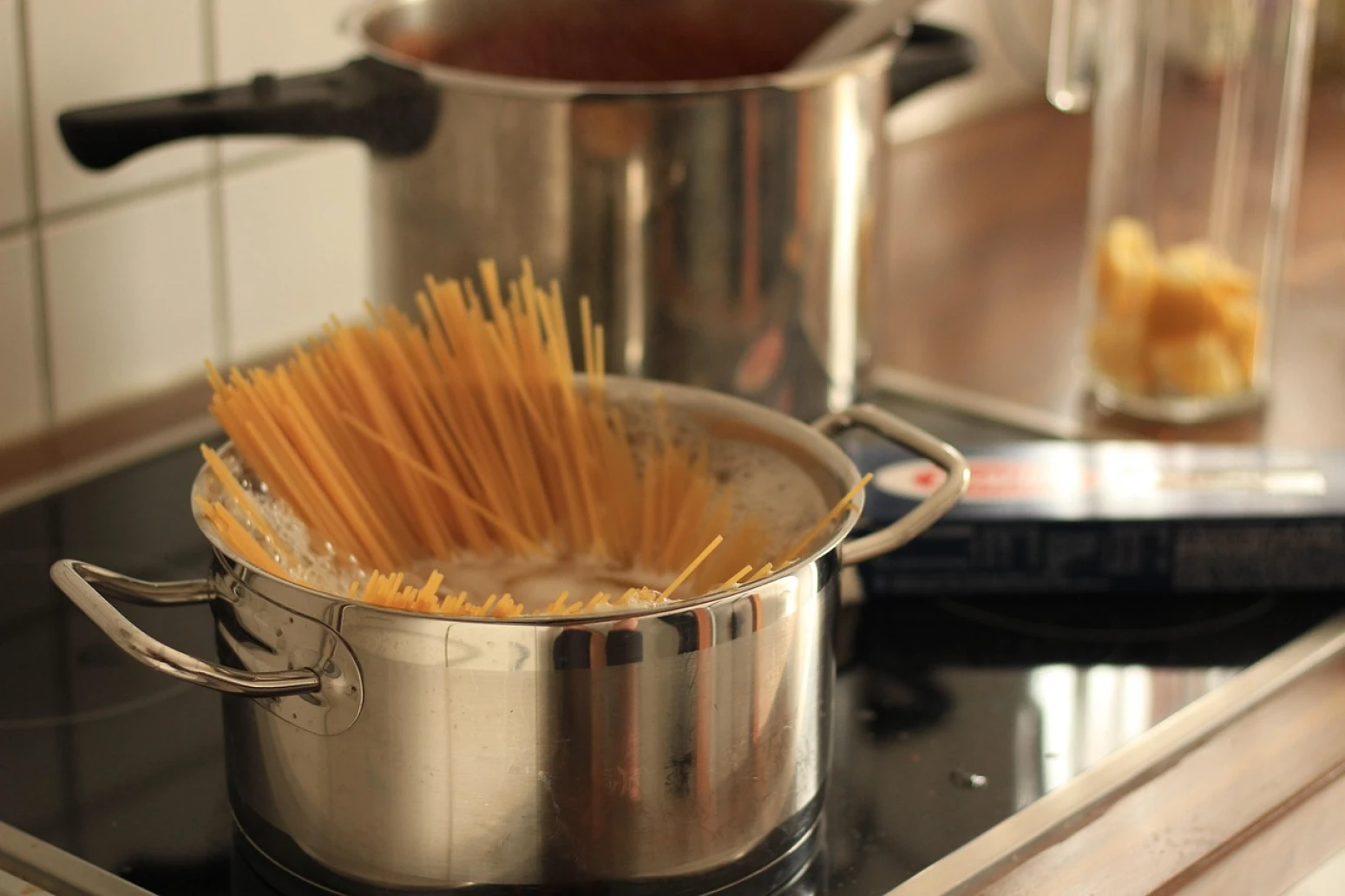
Travel is definitely the easiest area in which you can overspend. Mainly because Italy makes it so tempting. But just by being a little intentional you can make a huge difference over time:
You don’t necessarily need to cut travel. You just need to think more about it.
If you’re here, trying to figure out whether Italy is expensive, the real question in your mind is probably: can I afford to live there for a few months?
And for most students, the answer is yes, especially if you plan ahead.
Programs can even make costs more predictable because:
Plus, what you spend day to day is still in your control. And compared to many other destinations, Italy really does give you a great quality of life for what you pay!
Our programs combine language learning, cultural immersion, and full support!

.webp)

.webp)
.webp)
What is Italianforawhile?


Enrollment and admissions


